Gambling and its cultural legacy How chance shapes societies
The Historical Context of Gambling
The roots of gambling can be traced back to ancient civilizations, where chance and luck were often intertwined with religious and cultural practices. Archaeological findings reveal that games of chance were played in ancient China, Rome, and Greece, often serving both entertainment and social functions. In these societies, gambling was not merely a pastime; it played a crucial role in rituals and community bonding, reflecting the cultural values of the time. Today, you can explore exciting options like Kangaroo 88, a platform that mirrors these historical roots with its engaging offerings.

As societies evolved, the perception of gambling transitioned from a communal activity to one associated with individual risk and reward. This shift was partly influenced by economic factors, as gambling offered a way to amass wealth quickly. In medieval Europe, for example, gambling became an accepted form of entertainment among the nobility, leading to the development of gambling houses and eventually, casinos. This evolution showcased how gambling adapted to societal changes, influencing norms and regulations.
Furthermore, the impact of gambling on various cultures is profound, often mirroring the prevailing attitudes toward chance and luck. In some cultures, luck is seen as an integral part of life, shaping both identity and destiny. In contrast, other societies view gambling with skepticism, associating it with moral decline. This dichotomy exemplifies how gambling serves as a reflection of societal values and beliefs, shaping cultural identities across time and space.
The Role of Chance in Gambling
At the heart of gambling lies the concept of chance, a powerful force that captivates individuals and societies alike. The unpredictability of outcomes creates excitement and anticipation, making gambling a compelling activity. Whether in a casino, online platform, or casual setting, the allure of chance invites players to engage with the unknown, thereby fostering a unique psychological experience.
Chance, however, is often juxtaposed with skill in various gambling contexts. In games like poker, players utilize strategies and psychological tactics, leading to debates about the balance between luck and skill. The thrill of winning against the odds further enhances the appeal of gambling, as individuals seek to test their abilities while embracing the unpredictability of the outcome. This interplay shapes not only individual experiences but also the broader cultural narratives surrounding gambling.
The fascination with chance extends beyond the gaming table, influencing societal structures and interactions. Many cultures have developed rituals and beliefs around luck, impacting everything from decision-making to social hierarchies. This connection illustrates how chance and gambling serve as reflections of broader societal dynamics, where fortune and misfortune can significantly impact an individual’s status and opportunities.
Gambling’s Influence on Modern Society
In contemporary society, gambling has become a multi-billion-dollar industry that significantly influences economies worldwide. The proliferation of casinos and online gambling platforms has made betting more accessible than ever, creating new social and economic dynamics. This accessibility has generated discussions on responsible gambling, addiction, and the regulation of gambling practices, highlighting the complexities of its integration into modern life.
Moreover, the portrayal of gambling in popular culture—from movies and television shows to literature—has cemented its status as a cultural phenomenon. Such portrayals often romanticize the thrill of high-stakes gambling while glossing over the potential dangers and moral dilemmas associated with it. This duality serves to both celebrate and critique gambling, shaping societal perceptions and influencing public policy regarding its regulation.
The influence of gambling on social structures is evident in how communities respond to gambling activities. Some regions have embraced casinos as a means of economic development, while others view them as sources of social problems. This varied response highlights the need for balanced conversations about the cultural legacy of gambling, acknowledging both its contributions and the challenges it poses to society.
The Psychological and Social Aspects of Gambling
Understanding the psychological appeal of gambling requires delving into the human experience of risk and reward. The rush of excitement associated with a win can trigger dopamine release in the brain, leading to a cycle of seeking that high again. This biological response can contribute to the allure of gambling, making it challenging for individuals to engage in responsible behavior. The psychological aspects of gambling, combined with social interactions, create a compelling environment that can lead to both bonding and conflict.
Socially, gambling has the potential to create communities, fostering connections among individuals who share similar interests. Whether it’s friends gathering at a poker night or an online community celebrating a big win, gambling can serve as a social glue. However, it can also lead to exclusion, stigmatization, and addiction, illustrating the complex duality of its social implications.
Furthermore, gambling is often associated with broader social issues, including poverty and inequality. The desperation to escape financial difficulties can drive individuals toward gambling as a solution, sometimes leading to dire consequences. This relationship highlights the need for a nuanced understanding of gambling’s cultural legacy and its impact on various aspects of life, prompting ongoing discussions about ethical gambling practices and societal responsibilities.
The Digital Era and Online Gambling
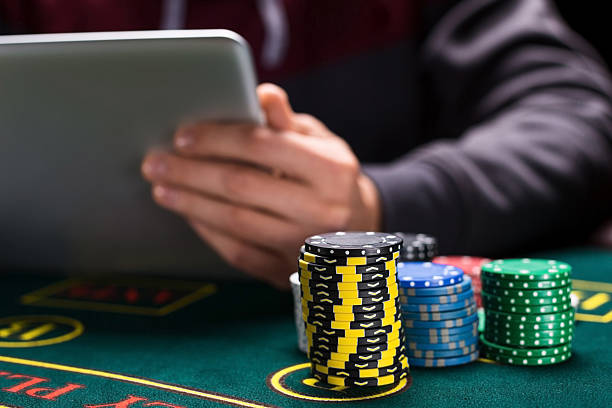
The advent of the internet has revolutionized the gambling industry, creating a vast landscape of online casinos and gaming platforms. This digital transformation has made gambling more accessible, allowing individuals to partake from the comfort of their homes. With mobile technology, players can engage in various games anytime and anywhere, significantly changing how society perceives and interacts with gambling.
Online gambling also raises new questions about regulation and fairness. With the proliferation of platforms comes the challenge of ensuring fair play and protecting consumers. Moreover, the anonymity that online gambling offers can exacerbate issues of addiction and irresponsible behavior, making it essential for stakeholders to prioritize responsible gaming initiatives and support systems.
As society continues to navigate this digital landscape, the cultural legacy of gambling remains intertwined with technological advancements. Online gambling platforms offer new opportunities for social interaction while also posing risks, reflecting the ongoing tension between innovation and regulation. This evolving relationship will undoubtedly shape future discussions around gambling, its cultural significance, and its implications for individuals and society at large.
Conclusion: Kangaroo 88 and the Future of Gambling
As a premier online casino designed for Australian players, Kangaroo 88 embodies the contemporary evolution of gambling, offering a vast selection of over 2,600 games. Its enticing welcome bonuses and commitment to user satisfaction reflect the industry’s dedication to providing a safe and enjoyable experience. With features like 24/7 customer support and fast payouts, Kangaroo 88 aims to enhance player engagement while prioritizing responsible gaming.
In an era where the intersection of technology and gambling shapes cultural narratives, platforms like Kangaroo 88 play a pivotal role in influencing societal perceptions and practices. By fostering a commitment to user security and satisfaction, they contribute to the ongoing dialogue surrounding gambling and its implications. As society navigates the complexities of chance, skill, and community, the future of gambling will undoubtedly evolve, reflecting the dynamic interplay of culture and chance.